Keeping your integrity intact isn’t just important; it’s essential especially if you’re in charge of a global corporation or managing a small company. Your integrity shapes how others see you, fuels your success, and helps your business stay strong for the long term.
We’ve all heard of businesses that collapsed after sacrificing their integrity. On the other hand, companies like Patagonia and Starbucks are admired not just for their earnings but for their consistent commitment to ethical business practices. Integrity is a key factor in building a successful and enduring business.
Say two companies sell similar products. One cuts corners, mistreats employees, and hides financial mismanagement. The other invests in fair practices, honest communication, and customer satisfaction. Which one do you think builds lasting trust and loyalty? The answer is obvious. Business integrity is not just a moral compass; it’s a strategic advantage.
This article will guide you through what business integrity means, why it’s essential, and how to build and uphold it.
How do you show integrity in business?
Integrity in business isn’t just about doing the right thing when you’re being watched. It’s about living by your values every single day, no matter what pressures come your way. Here are some ways you can lead with honesty, keep things transparent, and build trust with everyone you work with.
Lead by Example
Integrity in business starts with leadership. When leaders show ethical behaviour, it sets the tone for the whole company. This means making decisions that match the company’s core values, even when it’s tough. Take Indra Nooyi, the former CEO of PepsiCo, as an example.
She always put people first and promoted the company’s commitment to society through the “Performance with Purpose” initiative. By including sustainability in PepsiCo’s business strategy, she proved that ethical leadership can go hand in hand with making profits.
Be Transparent
Transparency is key to maintaining integrity. It’s about being open and honest, not just with external parties but also with employees. This means being upfront about company policies, operations, and even the challenges you face. Externally, it’s important to offer clear marketing, straightforward terms of service, and transparency in financial reporting.
During the COVID-19 pandemic, many airlines were criticized for their unclear refund policies. However, Delta Airlines stood out by clearly communicating their cancellation and refund procedures, earning customer loyalty even in tough times.
Read: What is a Contingency Business Plan? Why Every Business Needs One
Keep your Promises
Nothing damages business integrity more than breaking promises. Every promise, whether to customers, employees, or business partners, says a lot about a company’s values. Companies that keep their promises consistently earn the trust of their clients and stakeholders.
Amazon, for example, has built its reputation on its commitment to customer service. With its “customer obsession” mindset, it promises quick deliveries and easy returns, and it consistently meets those expectations, which has earned its customers’ trust.
Treat Everyone Fairly
Fairness is a non-negotiable aspect of integrity. This applies to everyone—employees, customers, suppliers, and any other stakeholders. Fair treatment involves offering competitive wages, sourcing ethically, and treating everyone impartially.
Costco is a great example of this, as it’s known for paying higher wages than many of its competitors and offering comprehensive benefits to its employees. As a result, Costco enjoys strong profits because its employees are loyal and motivated, showing that fairness creates long-term success.
Own up to Mistakes
Admitting mistakes is a powerful way to show business integrity. It shows humility and a willingness to improve. When a business takes responsibility for its mistakes, it builds trust and credibility. A classic example is Johnson & Johnson’s handling of the Tylenol crisis in the 1980s.
When it was discovered that their products had been tampered with, they immediately recalled millions of bottles and introduced tamper-proof packaging. This quick, honest response helped restore trust in the brand and showed their commitment to customer safety.
Also, see: The Importance of Teaming for Successful Business Projects
Why is integrity so important in business?
Here’s why operating with integrity is so important for long-term growth, customer loyalty, and a strong reputation:
Builds trust and credibility
Trust is a fragile thing—it takes time to earn but can be lost in an instant. Businesses that act ethically win the confidence of their customers over time.
For instance, over 60% of consumers in Edelman’s 2023 Trust Barometer said they would stop buying from a company they no longer trusted. Patagonia is a great example of a brand that operates with integrity. Their dedication to environmental sustainability and open practices has built a loyal customer base that values their ethical approach.
Boosts employee loyalty
When companies treat their staff with respect and fairness, they create a workplace where people feel valued and proud to belong. Employees are more likely to stay and thrive in organizations that emphasize integrity.
In a 2023 Gallup study, 74% of employees reported feeling more satisfied in their jobs when their companies prioritized ethical behaviour. Google exemplifies this by fostering an inclusive environment and prioritizing employee well-being, making it one of the most admired employers worldwide.
Attracts honest partnerships
Businesses with integrity naturally draw like-minded partners, creating collaborations that amplify positive outcomes. These partnerships pave the way for shared success and impactful initiatives.
A great example is Coca-Cola’s partnership with the World Wildlife Fund (WWF) to safeguard freshwater resources. Their shared values on environmental conservation have led to successful sustainability efforts that benefit both organizations and the planet.
Reduces risks
Lack of integrity can lead to legal troubles, financial penalties, and a damaged reputation. Ethical practices help businesses avoid these pitfalls while ensuring compliance with laws and regulations.
The Volkswagen emissions scandal serves as a stark reminder of what happens when companies abandon integrity. Their unethical behaviour led to billions in fines and long-lasting harm to their reputation.
Builds long-term success
Short-term wins gained through dishonesty often come at a cost. Companies that prioritize integrity, on the other hand, create a strong foundation for sustainable growth.
Zappos is a prime example. By focusing on customer satisfaction and employee happiness, the company has built a business model centred on repeat customers and positive word-of-mouth, securing its place as a leader in customer service.
What are the core values of integrity in business?
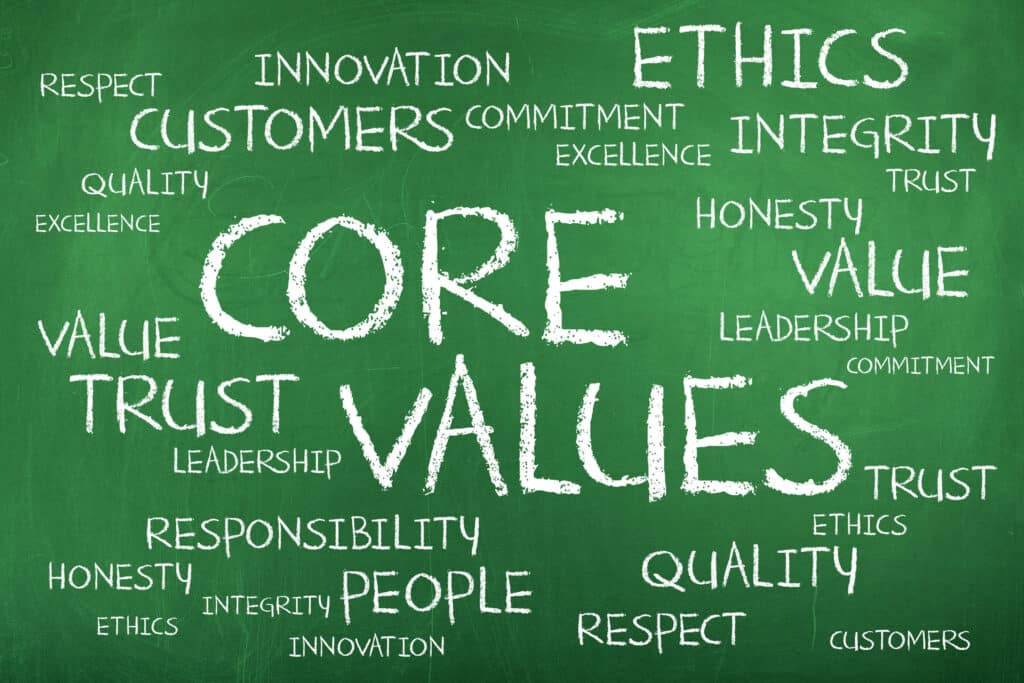
Integrity forms the foundation of any successful organization. It relies on a set of key principles that influence every choice and action, shaping the culture and building trust with employees, customers, and partners. Let’s see the essential values that uphold integrity in business:
- Honesty: This is more than just telling the truth; it’s about being genuine in all dealings. It means staying true to your principles and being transparent in relationships with everyone connected to your business.
- Accountability is about taking responsibility for your actions and their outcomes. It’s a crucial part of building a trustworthy reputation. As the saying goes, “Accountability breeds responsibility.” A lack of accountability can harm trust, as seen in BP’s response to the Deepwater Horizon oil spill.
- Fairness ensures that everyone involved with your business—employees, suppliers, and customers—is treated ethically and justly. This can include sourcing materials responsibly, providing fair wages, and ensuring unbiased practices.
- Respect means valuing the people who contribute to your business, including employees, customers, and the community. Companies that prioritize respect often enjoy stronger relationships, better employee retention, and higher customer satisfaction.
- Transparency is closely tied to trust. It involves being open and honest, not just about finances but also about policies, pricing, and business practices.
What is an example of a lack of integrity in business?
While we often celebrate businesses that uphold strong values, there are notable examples of companies that took unethical shortcuts, leading to their downfall. Here are some high-profile cases that show what happens when integrity is ignored:
The Volkswagen Emissions Scandal
In 2015, Volkswagen confessed to cheating on emissions tests for its diesel cars. The company intentionally rigged the tests to show their vehicles were eco-friendly when they weren’t. This act of dishonesty cost them over $30 billion in fines, countless lawsuits, and a massive loss of trust from consumers. This serves as a clear lesson: chasing short-term wins through unethical choices often brings long-term problems.
Theranos and Elizabeth Holmes
Theranos, once a highly praised startup worth $9 billion, came crashing down when it was revealed that its founder, Elizabeth Holmes, faked data about the company’s blood-testing technology. This deception not only put lives at risk but also shattered the confidence of investors and led to serious legal consequences. This case shows how a lack of honesty can destroy a company entirely.
Cambridge Analytica and Data Privacy
The Cambridge Analytica scandal is a prime example of how mishandling customer data can backfire. By misusing Facebook users’ personal information, the company violated people’s privacy and lost public trust. This incident sparked stricter data protection laws worldwide, highlighting the need for ethical practices in handling sensitive information.
These stories remind us that a lack of integrity doesn’t just harm a company’s reputation—it can lead to severe financial, legal, and moral consequences.
You should read this: How and Why Your Goal of Leadership Must Align with Your Business Strategy
Scorecard Questions on Business Integrity
Now, let’s test how well you understand the importance of integrity in business. These scorecard questions will help you evaluate where you stand to uphold integrity and identify areas where you can improve in your competitive market.
Frequently Asked Questions
Why is business integrity so important in today’s market?
Integrity builds trust, which is essential for long-term relationships with customers, employees, and partners. A trustworthy business earns loyalty, enhances its reputation, and ensures success.
How can I show integrity in my business day-to-day?
Lead by example, be transparent, keep promises, and treat everyone fairly. Consistent, ethical actions will set the tone for your entire team.
What are some practical steps I can take to ensure my team upholds business integrity?
Set clear ethical expectations, provide training, recognize ethical behaviour, and address any issues promptly. Make integrity part of your company culture.
Conclusion
Integrity isn’t just about following the rules; it’s about making the right choices, even when they’re tough. It’s about staying honest, open, and responsible in everything you do.
As Warren Buffett once said, “You can spend 20 years building your reputation, but just five minutes can destroy it.” Staying true to your values not only protects your good name but also builds a lasting legacy of trust and quality.
By embracing these principles and learning from real-world examples, you now have the tools to make integrity the foundation of your business and inspire confidence in everything you do.